Hand-picked Influence Flows other Startups creators are using.
Professionals active in startups, seed investing, venture capital, SMB leadership and growth roles. Engaging this audience surfaces conversations on funding, sc
Professionals across startups, agencies, brand management, manufacturing and trade exhibitions. Engaging this mix connects with decision-makers who drive produc
Targets entrepreneurs, small-business owners, startup founders and leadership teams. Engaging this audience increases visibility by reaching active decision-mak
A LinkedIn profile setting that shifts a member’s profile toward content creation by promoting a Follow call-to-action, surfacing creator tools, and signaling topical focus to visitors.
The LinkedIn Algorithm is the set of automated rules and machine learning models LinkedIn uses to decide which posts to show to which members and in what order, based on signals like relevance, engage
The short line under a LinkedIn user's name that summarizes their role, expertise, or value proposition; it appears on profiles, in search results, and next to posts.
A LinkedIn Newsletter is a subscription-based series of articles published on LinkedIn; subscribers receive notifications when new issues are published, creating a recurring, opt-in touchpoint between
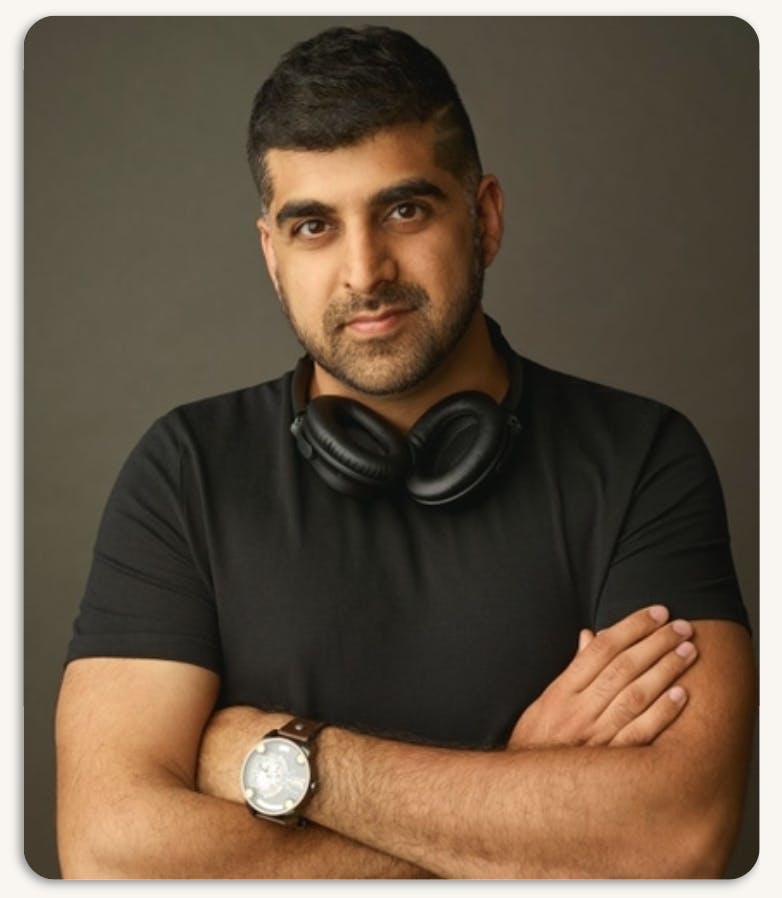
Shaan Puri writes like someone dictating notes for a talk: short declarative sentences, quick paragraph breaks, and frequent one-line punchlines that can be clipped into a shareable graphic. He favors checklist and headline microformats — for example he labels a post with a name like "The Morning & Night Test for making decisions" and then unpacks it in numbered or checklist form. He also uses contrastive, attention-grabbing flips: "sold companies to Amazon, but now he's buying 'boring' physical businesses" appears as a single-line hook before a short bulleted explanation (the snippet shows "✓ Less competition ✓..."). Expect terse, active verbs and occasional rhetorical questions that read like a live-show tease: "How do you get 2 million downloads for your podcast in its first year?" Shaan's prose leaves white space for the reader to skim: one-sentence paragraphs, parenthetical asides, and repeated short clauses for rhythm. He mixes linkouts to episode pages and live streams with micro-framework labels that become reusable signatures across posts.
Shaan Puri writes for startup founders and operators who are past idea stage and are focused on building repeatable revenue: early founders (0–10 employees) deciding between product-led growth and buying revenue, indie makers scouting acquisitions, and small-group angel or micro-VC investors evaluating deal flow. Evidence: Shaan references buying "'boring' physical businesses," which speaks to operators thinking about acquisitions and cash-flow businesses; his podcast My First Million and the "2 million downloads" pitch signals an audience of podcasters and creators who want audience growth tactics; his live interview announcements and appearances at events like Ad World 2020 target marketers and growth leaders who run campaigns and attend industry conferences. Career-stage cues point to builders who already ship (first hires, first $100k–$1M ARR) and want frameworks for decision-making, distribution, and scaling.
1) Contrarian flip hook: Open by flipping an expectation into a decision, for example: "Shaan Puri sold companies to Amazon, but now he's buying 'boring' physical businesses." Use that exact format to set up a why/explain sequence. 2) Micro-framework name hook: Start with a pill-sized framework title to promise a repeatable takeaway, e.g., "The Morning & Night Test for making decisions" followed by 2–4 steps. 3) Event/curiosity hook: Announce a timebound interaction or tease a big metric to drive live attendance or clicks, e.g., "Live interview today at 12pm EST — hear from the CEO himself" or "How do you get 2 million downloads for your podcast in its first year? Let's ask Shaan Puri." Each hook creates a clear call to action: watch, listen, or read.
Shaan Puri favors frequent, short-format distribution tied to real-time events: podcast episodes, live streams, and interview clips. The snippets show rapid activity — recording My First Million, live streaming interviews, and speaking at conferences — which indicates multiple touchpoints per week: episode drops, follow-up clips, and event promotion. He publishes more audio/video content and event-driven posts than long-form essays; most posts are announcements, micro-frameworks, or checklist-style reads rather than long narrative threads. He cross-posts promotional hooks (episode links, live times) plus reusable tip posts (decision tests, social-proof tactics). Compared with creators who focus on long daily written threads, Shaan does more repurposing of spoken content into short written posts and live Q&A moments, and less long-form single-post analysis.
Open with a contrarian flip: write one sentence that reverses expectation — e.g., "I sold X to Y, but now I'm doing Z." Follow with a one-line reason list introduced with a visible checkmark or emoji-like symbol: "✓ Less competition ✓ Predictable cashflow". Name a micro-framework before the steps: lead with a titled test like "The Morning & Night Test" then list two to four crisp steps, each a single sentence. Announce a live or timebound event in the first line and end with a direct call to action to attend and ask a question: "Live today at 12pm EST — join here and ask your best question." Tease big metric questions as hooks: start a post with "How do you get X in Y time?" and then answer with a 3-step playbook you can record or expand into a short podcast clip.
Top Voice's AI personas analyze creators like Shaan Puri and turn their style into a repeatable workflow for you: signal-based reactions on relevant posts, AI-drafted content humanized in your voice, and per-campaign analytics that show what's actually working. Start free →
