Hand-picked Influence Flows other Startups creators are using.
Professionals focused on audience targeting, segmentation, customer acquisition, CRO, remarketing and keyword strategy. Engaging this audience amplifies visibil
Professionals who manage PPC, Google Ads, SEM and paid search campaigns — performance marketers and agency teams. Engaging them increases visibility with people
Targets marketers focused on growth, acquisition, ads, leads and analytics — practitioners who drive customer acquisition and share measurable insights. Engagin
The short line under a LinkedIn user's name that summarizes their role, expertise, or value proposition; it appears on profiles, in search results, and next to posts.
The LinkedIn Algorithm is the set of automated rules and machine learning models LinkedIn uses to decide which posts to show to which members and in what order, based on signals like relevance, engage
An individual's public professional identity and reputation as conveyed through their LinkedIn profile, posts, visuals, and interactions.
LinkedIn Live is LinkedIn's live-video feature that lets members broadcast real-time video to their network and event attendees, enabling live comments, reactions, and immediate audience interaction.
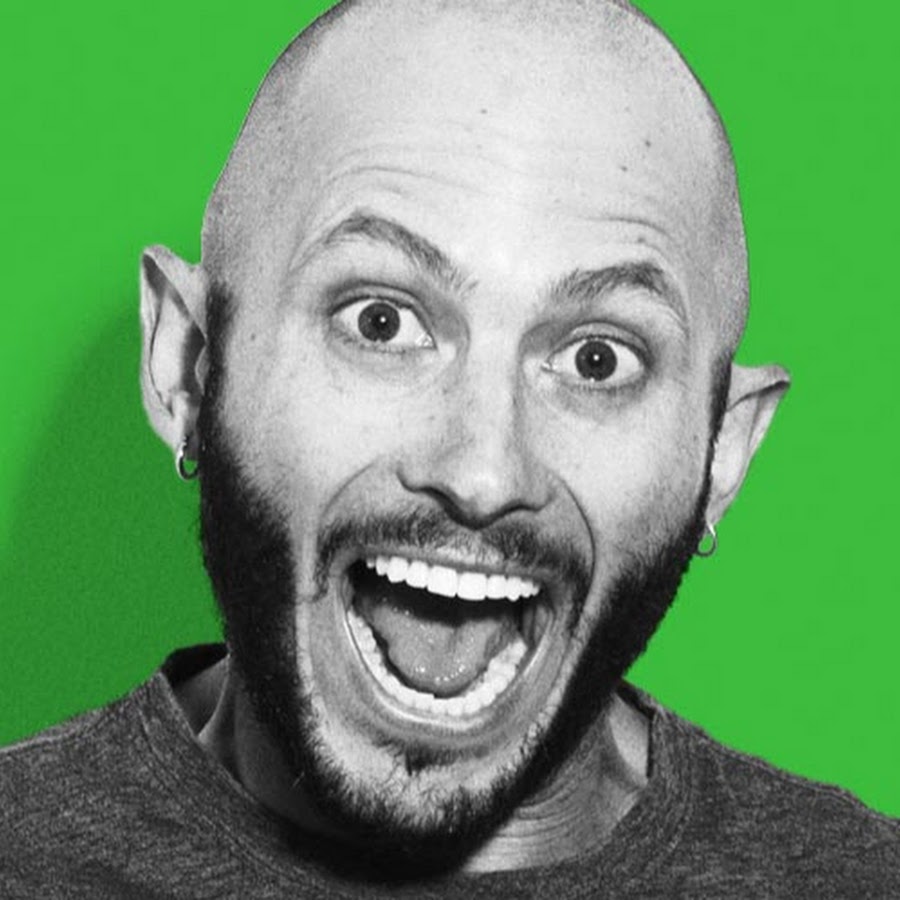
Noah Kagan writes in long-form, plain-text LinkedIn posts that read like a conversation with clear, short paragraphs broken by whitespace. Sentences are mostly mid-length (12–22 words) with occasional short punchlines of 4–7 words to reset the reader: for example he uses direct headlines such as "9 books that changed my life and business" and full-sentence hooks like "I'm the CEO of a $100 million business. But the first 10 years..." Paragraphs are two-to-five sentences each, never dense walls of text, and he punctuates sections with numbered lists or explicit counts ("9 books", "10 Years to My First Million"). Noah mixes declarative statements (I did X, this worked) with one-line reflective sentences to signal transitions. He favors concrete specifics over abstraction: revenue figures, years, book titles, and product names appear inline. He sometimes repeats short phrases for emphasis and uses plain links or calls to his site (no long disclaimers). The overall feel is practical, chronological, and utilitarian: big idea first, then the list of actions or resources that support it.
Noah Kagan is addressing founders and early-stage entrepreneurs, indie makers, bootstrapped SaaS and e-commerce founders, and growth/marketing operators who are building revenue-first businesses. Evidence in his posts shows he speaks to people who care about getting from zero to a first million and scaling to seven figures: titles like "10 Years to My First Million" and his role as "Chief Sumo at AppSumo.com | Helping entrepreneurs get started" signal an audience of solopreneurs, small agency owners, and product creators buying deals on AppSumo or using side projects to grow income. He also writes for readers who want tactical reading lists and playbooks ("9 books that changed my life and business"), so growth marketers and customer-acquisition specialists are in view. Career stage skews early to mid — people with an idea, a prototype, or initial revenue who need replication tactics, not enterprise strategy. Noah frequently assumes readers will try experiments the same week, so his audience expects actionable steps and quick wins.
Noah reuses a small set of opening moves that prime the reader for practical takeaways. One archetype is the milestone paradox: start with a headline that contrasts current status with past struggle, as in the paraphrase "I'm the CEO of a $100 million business. But the first 10 years..." That sets up a lesson from failure-to-success. A second archetype is the enumerated resource hook: lead with a compact numbered promise such as "9 books that changed my life and business," which signals a tidy, scannable list readers can bookmark. A third archetype is the personal gift/testimonial hook: begin with a short anecdote about receiving or writing a book or product to establish social proof and credibility, for example noting a reader saying they became a "new fan" after being gifted his book "Million Dollar Weekend." Each of these opens with a clear transactional promise—lessons, recommendations, or a personal story—that prepares the audience for a blend of narrative and tactical steps.
Noah posts a mix of evergreen lists and personal milestone stories on a monthly-to-quarterly rhythm, with occasional higher-frequency bursts tied to product launches or book promotions. The snippets show posts separated by months to years (1y, 2y), which indicates he favors substantive long-form updates over daily micro-content. He uses text-first posts with embedded lists and headlines more often than images or short videos; when he promotes a product (AppSumo deals, "Million Dollar Weekend") he pairs the promotional link with a story or resource list. Compared with many creators who favor daily short posts, Noah does more long-form listicles and personal revenue transparency posts and less of the ephemeral meme carousel or frequent short tips. Engagement often happens in the comments, and he treats that as part of the content loop, following up on questions rather than relying on multiple post formats.
Open with a paradoxical milestone: start your post with a sentence like "I'm the CEO of a $X business. But the first Y years..." and then immediately name the single lesson you learned. Lead with a numbered promise: title your post "N [things/resources] that changed X" (for example, "7 tools that got me my first $10k") and make each item one short sentence plus one line of specific action. Use micro-paragraphs: keep paragraphs to two to five sentences, and insert a one-line punch sentence between sections to reset attention. Combine a personal anecdote with a concrete takeaway: tell a one-paragraph story (30–60 words) and follow it with "So I did this: [step 1]." End with a clear next step for the reader: "If you want the checklist, get it at [your link]" or "Try this this week and tell me which one failed."
Top Voice's AI personas analyze creators like Noah Kagan and turn their style into a repeatable workflow for you: signal-based reactions on relevant posts, AI-drafted content humanized in your voice, and per-campaign analytics that show what's actually working. Start free →