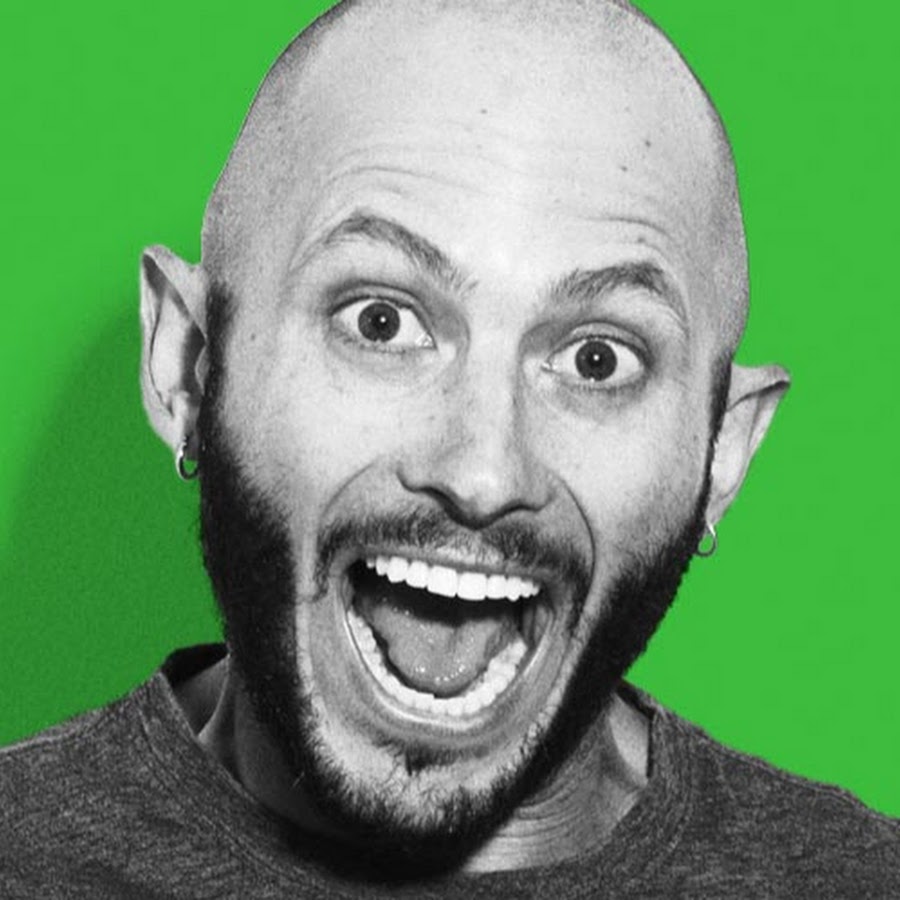
Hand-picked Influence Flows other Startups creators are using.
Targets performance-focused digital marketers, PPC specialists and growth teams that prioritize campaign analytics, ROI and A/B testing. Engaging this audience
Professionals focused on sustainability, regenerative practices, impact investing, corporate social responsibility and environmental programs. Engaging them bui
Targets founders, executives and investors active in deeptech fundraising, grants (including Horizon Europe) and venture finance. Engaging this audience surface
LinkedIn Live is LinkedIn's live-video feature that lets members broadcast real-time video to their network and event attendees, enabling live comments, reactions, and immediate audience interaction.
A LinkedIn Newsletter is a subscription-based series of articles published on LinkedIn; subscribers receive notifications when new issues are published, creating a recurring, opt-in touchpoint between
The LinkedIn Algorithm is the set of automated rules and machine learning models LinkedIn uses to decide which posts to show to which members and in what order, based on signals like relevance, engage
The short line under a LinkedIn user's name that summarizes their role, expertise, or value proposition; it appears on profiles, in search results, and next to posts.
Noah Kagan writes in short, declarative bursts: one- to three-sentence paragraphs that read like checklist items. Sentences usually land as plain statements or direct instructions rather than long explanatory paragraphs; look for a punchy opener, one or two clarifying sentences, and a one-line takeaway. He frequently drops a single quoted claim as a headline-style callout — for example, "You don't need a bunch of money to validate a product." and sometimes the blunt, reality-check line, "Making a million dollars is no easy feat." White space is a tool: he breaks posts into compact blocks so readers can skim to the actionable line. Lists appear sparingly and tightly: three-step playbooks or numbered experiments rather than long multi-point essays. Signature formatting patterns include: a bold contrarian one-liner or personal anecdote to start, a short micro-story (often a career pivot or failure), then a concrete next step or recommended resource (podcast episode, book launch, or event link). Noah favors plain language, occasional rhetorical questions to pull the reader forward, and embedded references to events or episodes ("Foundr Podcast Episode 498" or "Million Dollar Weekend") to anchor credibility.
Noah Kagan is speaking mostly to founders and makers who are building or validating businesses: early-stage founders, solo indie makers, bootstrapped e-commerce and SaaS founders, and growth/marketing operators. Evidence in the snippets shows him addressing startup crowds at events ("@startupmountainsummit", "foundersforge"), appearing on Foundr and ScaleUp&Up for developers and founders, and promoting tactical launches like "Million Dollar Weekend." He also writes to people considering career moves or career pivots, drawing on his history as Facebook employee number 30 and founder of AppSumo when offering "Former Facebook Employee's Advice on Choosing a Career." Another secondary audience is entrepreneurial parents and creatives balancing family and business; he runs pieces like "How Rich Parents Raise Kind, Generous Kids" that mix parenting with business discipline. Job titles likely to follow him closely include founder/CEO of small startups, head of growth or marketing at early-stage companies, product founders, bootstrapped entrepreneurs, and creator-entrepreneurs planning product launches or weekend experiments.
Noah Kagan opens posts with at least three repeatable hook moves. First, the contrarian one-line: a bold, easily quotable claim that reframes common assumptions — for example, "You don't need a bunch of money to validate a product." That line immediately promises a low-resource approach. Second, the rapid personal pivot: a two-sentence origin story that situates advice in a career beat — e.g., referencing getting fired at Facebook, being employee #30, founding AppSumo, or an onstage answer to "what is keeping entrepreneurs from just starting." Third, the event-or-case-hook: he teases a specific asset (podcast episode, summit clip, or "Million Dollar Weekend" launch) and frames the post as the distilled takeaway from that event. Each hook is usually followed by a 2–3 step micro-playbook or a single practical directive. Occasionally he opens with a candid admission of difficulty or scale — "Making a million dollars is no easy feat" — then pivots to a reproducible experiment.
Noah Kagan maintains a multi-channel rhythm: frequent short-format Facebook posts and video clips, periodic podcast appearances, and event-stage Q&A or summit recaps. The snippets show regular use of social posts tied to recent interviews or episodes (Foundr Podcast, ScaleUp&Up, School of Greatness), plus promotional pushes for productized content ("Million Dollar Weekend" book and launch party). He does more short tactical posts, event snippets, and interview highlights than long investigative essays; his output is skewed toward punchy lessons, launch narratives, and repackaged audio/video clips. Compared with many creators who favor daily long threads or deep newsletters, Noah appears to prioritize a steady drumbeat of micro-lessons across formats and a higher share of appearance-driven content (podcasts, summit takeaways) and promotional pieces tied to launches. He uses fewer multi-page case studies and less longform personal journaling about non-business life.
Open with a one-line contrarian claim that flips a common assumption. Example: "You don't need a bunch of money to validate a product." Then immediately show one micro-experiment someone can run this week. Begin a short post with a one-paragraph origin beat: two sentences that name a job or failure and the pivot (e.g., "I was fired from Facebook as employee #30; I then built AppSumo to sell lifetime deals — here is the 3-step experiment that followed."). After the origin, provide a tight 3-step playbook with verbs and timing (Validate: run a 7-day prelaunch page; Price: test two prices for 48 hours; Ship: deliver a minimum version in one weekend). Close every post with a single resource hook and explicit next action: point to a podcast episode, event clip, or a free chapter and write the CTA as a one-line instruction ("Listen to Episode 498 for the full script" or "Download the weekend launch checklist").
Top Voice's AI personas analyze creators like Noah Kagan and turn their style into a repeatable workflow for you: signal-based reactions on relevant posts, AI-drafted content humanized in your voice, and per-campaign analytics that show what's actually working. Start free →