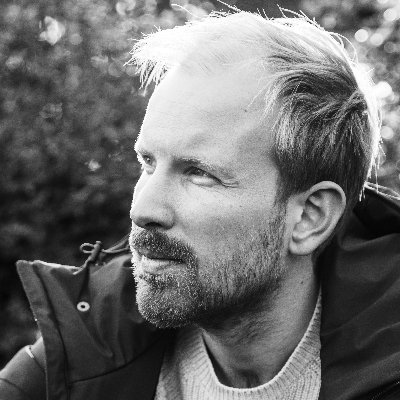
Hand-picked Influence Flows other History creators are using.
Targets professionals and brands focused on luxury real estate, premium listings, bespoke services, and high-end lifestyle. Engaging this niche amplifies Linked
Targets software test automation professionals—SDETs, AQA specialists, automation engineers, and CI pipeline practitioners. Engaging them builds LinkedIn visibi
Targets professionals focused on ESG, sustainability, climate risk, decarbonization, governance and reporting across industries. Engaging this audience increase
Rutger Bregman writes like a public historian: short, declarative one-liners that land a blow, followed by a compact paragraph or thread that supplies historical evidence and a policy punch. Sentences oscillate between three-word zingers and longer clauses that knit anecdotes to statistics; paragraphs are tight, never more than three to four sentences in a row, which makes long threads read like a sequence of mini-essays. He habitually frames arguments with a crisp, quotable sentence — for example, "We've become the continent of handbags instead of hardware" — then pivots to a specific contemporary example. He uses first-person confessions and media as framing devices: "Sometimes you get a few minutes on live TV with a billionaire. I tried..." appears as the opening move in reaction posts. Formatting patterns include a quoted lead or timestamped memory ("Wrote this 12 years ago..."), then numbered or bulleted unpacking in a thread, and finally an explicit call-to-action when relevant (recruiting, link to Substack, new book). He rarely pads; every sentence advances an argument or supplies a concrete corollary from history or policy.
Rutger Bregman is speaking to politically engaged policy networks: progressive campaigners and policy designers working on welfare and basic income, mid-career public servants in Europe, academic historians and intellectual journalists, and students in public policy or social history. Evidence from the posts shows him addressing people who read books and long essays (promoting 'Utopia for Realists', 'Humankind', 'Moral Ambition' and Substack articles), activists and recruiters ("Here's why I co-founded the School for Moral Ambition — and why we're recruiting the most ..."), and media-savvy interlocutors who care about the ethics and governance of technology (a post titled "Sam Altman is The Worst Possible ..."). He also targets a European political audience worried about industrial policy and civic capacity, visible in the Europe critique: "We've become the continent of handbags instead of hardware." In short, Rutger writes for thoughtful mid-to-senior career readers who operate at the intersection of public policy, progressive politics, and cultural debate.
Rutger Bregman reuses a small set of opening moves that reliably draw readers in. One archetype is the sweeping cultural diagnosis: open with a striking sentence that reframes an entire region or sector, e.g. "We've become the continent of handbags instead of hardware," then unpack the historical causes. A second archetype is the media-anecdote hook: lead with a compact, self-revealing line from an appearance — "Sometimes you get a few minutes on live TV with a billionaire. I tried to make them count!" — then post the exact exchange and three takeaways. A third archetype is the retrospective timestamp: begin with a time-stamped self-quotation to show continuity and foresight, e.g. "Wrote this 12 years ago, in Utopia for Realists," followed by evidence of how that prediction has aged. A fourth is the institutional announcement: start with "Here's why I co-founded..." to introduce an initiative and then list the problem, the approach, and the recruitment ask. Each hook pairs an arresting lead with an evidence-rich follow-up.
Rutger Bregman posts irregularly but with high-intent bursts tied to media appearances, new essays, or organizational milestones. He posts more longform links and essay previews (Substack, article covers) and reflective threads than quick quips or viral memes. Evidence: items promoting books and Substack articles, posts reacting to TV interviews, and recruitment posts for the School for Moral Ambition. He tends to publish a substantive thread or article link around a media event, then follow up with a handful of reply-driven micro-posts that amplify points and respond to critics. Compared to typical rapid-fire microbloggers, Rutger does fewer daily low-effort posts and more periodic, attention-grabbing essays and threaded unpackings. Format preferences: single-topic threads, article-link posts with a highlighted quote, and occasional first-person reaction tweets after live TV or interviews.
Open with one sharp, quotable diagnosis: write a single sentence that reframes the problem (template: "We’ve become the X of Y instead of Z") and follow it immediately with one concrete example. Start a thread after a public appearance with the line: "Sometimes you get a few minutes on live TV. I tried to make them count." Then paste the 60–120 second transcript and list three numbered takeaways. Use a retrospective lead to show foresight: begin with "Wrote this X years ago..." followed by the original excerpt, then add two present-day datapoints that confirm or refute it. Announce initiatives with the "Here's why I..." formula: one-sentence mission statement, two problems it solves, one clear recruitment or donation link. End any long post with a specific ask: "If you want to help, read this short paper [link] and tell us which of these two tactics you'd try first: A or B."
Top Voice's AI personas analyze creators like Rutger Bregman and turn their style into a repeatable workflow for you: signal-based reactions on relevant posts, AI-drafted content humanized in your voice, and per-campaign analytics that show what's actually working. Start free →
