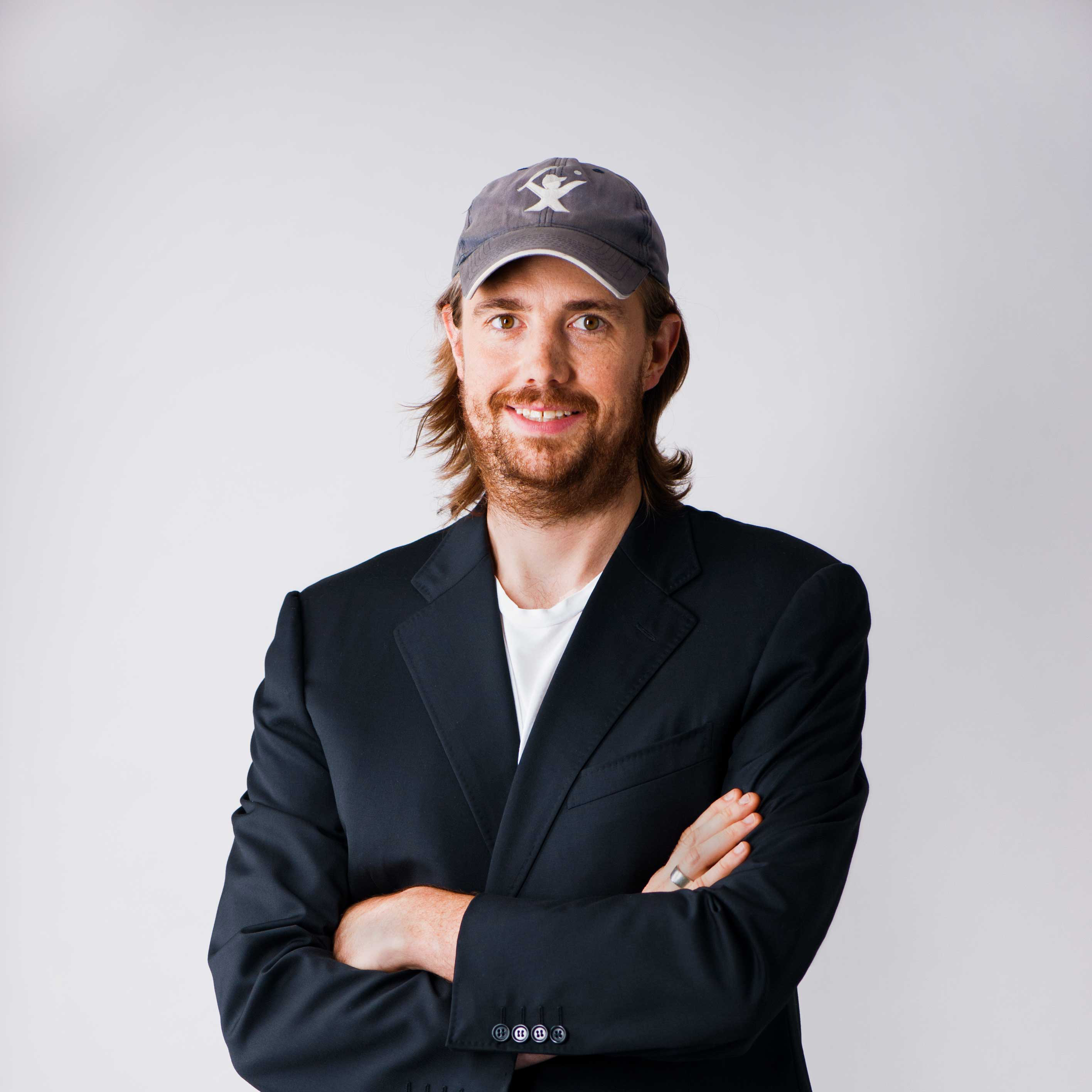
Hand-picked Influence Flows other YouTube creators are using.
Professionals working in digital, performance, and advertising roles—campaign managers, growth marketers, media buyers and online specialists. Engaging them rai
Professionals engaged with leadership, ownership, mindset, business strategy, growth, and succession topics—often executives, founders, and senior managers. Eng
Targets independent, registered, and investment advisors who manage client portfolios and financial planning. Engaging this audience builds credibility in finan
Mike Cannon-Brookes's channel voice reads like a conference program turned into a video feed: title-case headlines, single-sentence framing lines, and formal speaker credits. Descriptions often open with a compact diagnostic sentence — for example, "The risks of climate change are clear." — followed by an opportunity line such as "Technology will be critical" or "Of all nations, Australia faces some of the most extreme climate risks but also the greatest opportunity." Paragraphs in descriptions are short, typically one to three sentences, and the rhythm relies on repetition of the same launch sentence across multiple posts. Mike favors explicit naming conventions: "X and Y Discuss Role of Entrepreneurs in Solving Climate Change" or "Impact X Summit Sydney 2021: Accelerating Pathways to Zero Emissions." He frequently inserts a one-line explainer tagged as "This video is..." to identify source and speaker. The channel leans on enumerations for panels (Moderator:; Speakers:) rather than narrative prose, and uses predictable hashtags (#IXSummitSydne, #AccelerateZero, #ClimateAction) as recurring punctuation at the end of descriptions. That combination produces a formal, event-driven cadence that foregrounds roles, titles and institutional credibility over personal anecdotes.
Mike Cannon-Brookes is clearly addressing people who make funding, scaling and policy decisions around climate tech: startup founders and early-stage climate entrepreneurs seeking introductions and validation; venture investors and corporate venture teams looking for deal flow and signal; heads of sustainable finance and CFOs who appear on panels (e.g., "Head of Sustainable Finance, ANZ" and "Chief Financial Officer, AREN"); and government investment or policy leads (CEOs of Investment NSW, CEFC executives). The snippets repeatedly call out business and government decision makers: "industry leaders, climate tech innovators, and government and business decision makers at Impact X Summit Sydney 2022." Content speaks to managers who care about transition economics (timelines to 2050, export revenue projections such as "$30 to $50 billion a year by 2040") and to non-executive directors and finance-sector professionals who decide capital allocation (BlackRock, Macquarie Group, Business Council of Australia). Career stages range from early-stage founders seeking mentorship and capital to senior executives and board members evaluating strategic investment in net zero infrastructure.
1) Problem-then-opportunity opener. Mike (or the channel) frequently starts with a single declarative assessment: "The risks of climate change are clear." and immediately follows with an opportunity line: "Of all nations, Australia faces... the greatest opportunity." That pattern sets urgency and upside in one breath. 2) Guest-tease headline. Many posts begin by naming the marquee conversation partner and the theme: "Mike Cannon-Brookes and Richard Branson Discuss Role of Entrepreneurs in Solving Climate Change." The hook is the association of two high-profile names plus a broad mission phrase. 3) Policy/data shock followed by roadmap. Another repeated opening is a short, data-backed claim that previews the talk: "Economic modeling ... said that if we don't steer into this change, the Australian economy will be $3.4 trillion worse off by 2070." That immediate statistic primes viewers for a solutions-oriented panel or roadmap discussion.
Posting is event-driven and clustered. Content peaks around Impact X Summit dates and other conferences; many entries are recordings of panels and keynote conversations rather than standalone episodic uploads. The channel favors long-form video formats (full presentations, panel recordings, in-conversation interviews) and posts fewer short-form clips, explainers, or behind-the-scenes vlogs than a typical creator who posts weekly. Descriptions routinely include speaker lists and institutional affiliations, signaling a heavier tilt toward archival conference material. Frequency is irregular: multiple uploads tied to a single summit, then long gaps. The channel leans much more toward hosted discussions and moderated panels (moderators named, multiple speakers listed) and much less toward solo monologues, how-to tutorials, or daily micro-updates. Visual format preferences implied by the snippets are single long videos and multi-speaker panels rather than carousels or standalone still images.
Open with a one-sentence diagnostic that names both the problem and the upside: "The risks of X are clear. But the opportunity is Y." Keep it to one short sentence, then move on. Title interviews as "Person A and Person B Discuss [Big Outcome]" so the audience immediately reads the topic and the social proof. In the first line of the description, include an explicit provenance sentence: "This video is [speaker]'s presentation at [Event Name]." Use a compact speaker block for panels: list Moderator: then Speakers: on separate short lines to mimic conference readability. End descriptions with two specific hashtags (event and theme) and one concrete policy or investment sentence that names technologies or actions (e.g., "Invest in ultra-low-cost solar, green hydrogen and soil carbon now.").
Top Voice's AI personas analyze creators like Mike Cannon-Brookes and turn their style into a repeatable workflow for you: signal-based reactions on relevant posts, AI-drafted content humanized in your voice, and per-campaign analytics that show what's actually working. Start free →
