Hand-picked Influence Flows other Facebook creators are using.
Targets performance-focused digital marketers, PPC specialists and growth teams that prioritize campaign analytics, ROI and A/B testing. Engaging this audience
Founders publicly announcing a seed / Series A / Series B raise, or posting about runway, hiring sprees, or new investors. The single best window to appear in t
Professionals and creators who discuss esoteric spirituality, ritual practice, tarot reading and related mystical topics on LinkedIn. Engaging this audience inc
A LinkedIn profile setting that shifts a member’s profile toward content creation by promoting a Follow call-to-action, surfacing creator tools, and signaling topical focus to visitors.
A LinkedIn profile setting and optional green photo frame that signals to others that a member is actively open to new job opportunities; visibility can be limited to recruiters or shown publicly.
An individual's public professional identity and reputation as conveyed through their LinkedIn profile, posts, visuals, and interactions.
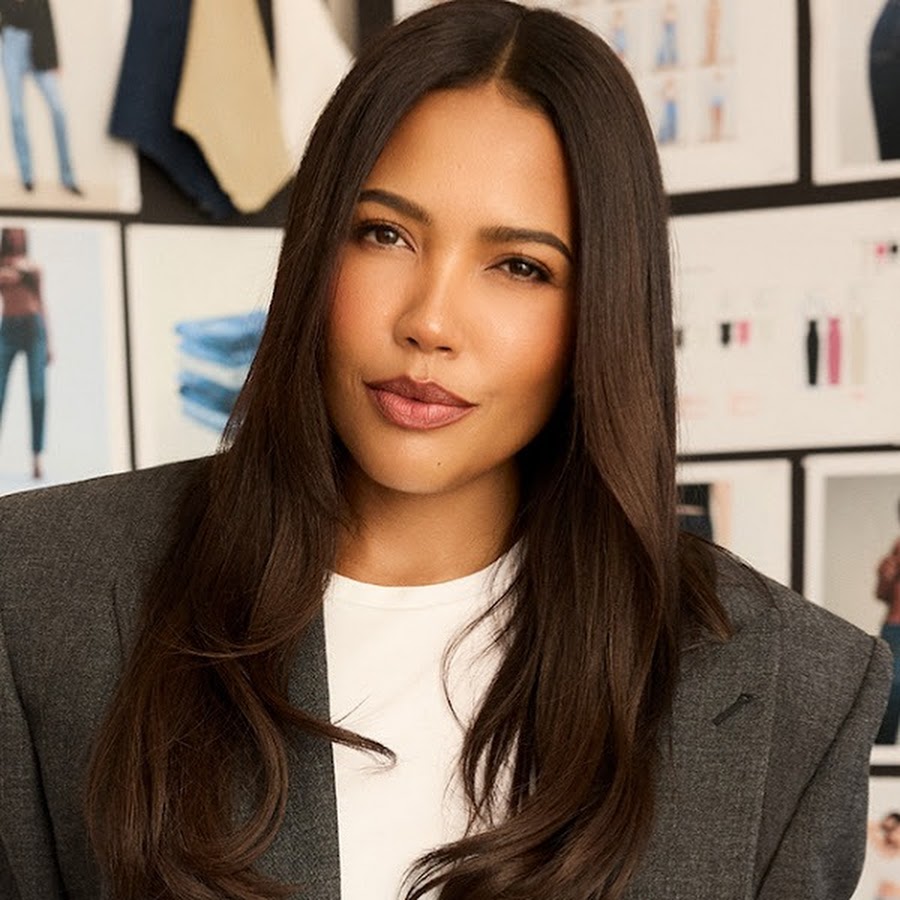
Emma Grede writes in a direct, no-frills tone that mixes one-line confessions with short explanatory paragraphs. Her social copy opens with a punchy phrase or quote — for example, she will run a post that foregrounds a single line like "3-hour mom" or the title of her book, "Start With Yourself." After that opening she typically adds a one- or two-sentence takeaway, then one longer paragraph that pulls in credential detail or a link to long-form content. Emma favors whitespace and short blocks: one-sentence leads, a 2–4 sentence body, and a single-line call to action. She also uses framing sentences that begin with labels — "This is how Emma Grede takes business failures less personally" — to set expectation before embedding a clip or link. Across posts she repeats a pattern of quote-as-hook, credential-as-context, and then a CTA like "Watch our conversation on my YouTube channel:" which becomes a recognizable rhythm. Visual posts are typically caption-forward: a strong first sentence for the algorithm, then a link to podcast or interview.
Emma Grede speaks primarily to founders and senior operators in consumer brands and apparel: founder-CEOs of direct-to-consumer fashion labels, scale-up leaders at retail and lifestyle brands, and brand partners who work with celebrity-led lines. Evidence shows she foregrounds her role as "founding partner of SKIMS" and "cofounder & CEO of Good American," so the implied reader is someone running or scaling product-led businesses. She also targets entrepreneur-parents juggling growth and family life — posts about "balancing work and motherhood" and the "3-hour mom" line signal a secondary audience of mid-career women executives and founders who care about time allocation, team design, and family boundaries. Finally, her book and podcast appearances position her toward an audience of aspiring entrepreneurs and investors seeking practical playbooks for scaling global brands from early traction to boardroom-level deals.
Emma uses three repeatable opening moves. First, the confessional one-liner: open with a brief, surprising personal line in quotes — e.g., "I'm a '3-hour mom'" — then pivot to why that matters for leadership or time management. Second, the "how" tease: start with "This is how Emma Grede takes business failures less personally" or "This is how I..." to promise a behavioral takeaway and drive views to a clip or episode. Third, the credential lead-in: begin with a short bio phrase such as "Founding partner of SKIMS, cofounder & CEO of Good American" immediately followed by a concrete lesson or an invitation to listen. Each hook ends with a clear signpost: "Watch our conversation on my YouTube channel:" or a link to her podcast episode, converting curiosity into a click.
Emma runs a media-driven cadence rather than a high-volume daily diary. She appears regularly as a guest on podcasts and interviews (CNBC, Oprah excerpts, YouTube conversations), hosts her own podcast Aspire with Emma Grede, and amplifies those long-form conversations into platform-sized posts. Expect bursts of multiple posts during a book tour or a major interview, then steadier, lower-volume weeks between media events. Her content mix is heavier on video and audio clips plus captioned reposts of interviews, and lighter on product-only carousel ads or ephemeral behind-the-scenes memes. On Facebook she prefers link-heavy posts that point to a longer conversation; on podcast platforms she publishes full episodes and then uses short clips and quotes as attention hooks across channels.
Open with a one-line confession in quotes, then expand for two sentences: "'3-hour mom.' Here's why I chose it, and what it taught me about designing my day for maximum high-value work." Use a credential lead immediately after the hook: "Founding partner of SKIMS and cofounder & CEO of Good American — here are three operational changes that stopped us losing margin." Convert any long interview into a three-post sequence this week: (1) a 60–90 second video clip with the exact pull quote as the caption, (2) a 300-word mini-essay that starts "This is how I..." and lists one tactical change, (3) a CTA post that reads "Watch our conversation on my YouTube channel:" plus the link. End every promotional post with a single-sentence action step: "Listen to the full episode for the playbook."
Top Voice's AI personas analyze creators like Emma Grede and turn their style into a repeatable workflow for you: signal-based reactions on relevant posts, AI-drafted content humanized in your voice, and per-campaign analytics that show what's actually working. Start free →
