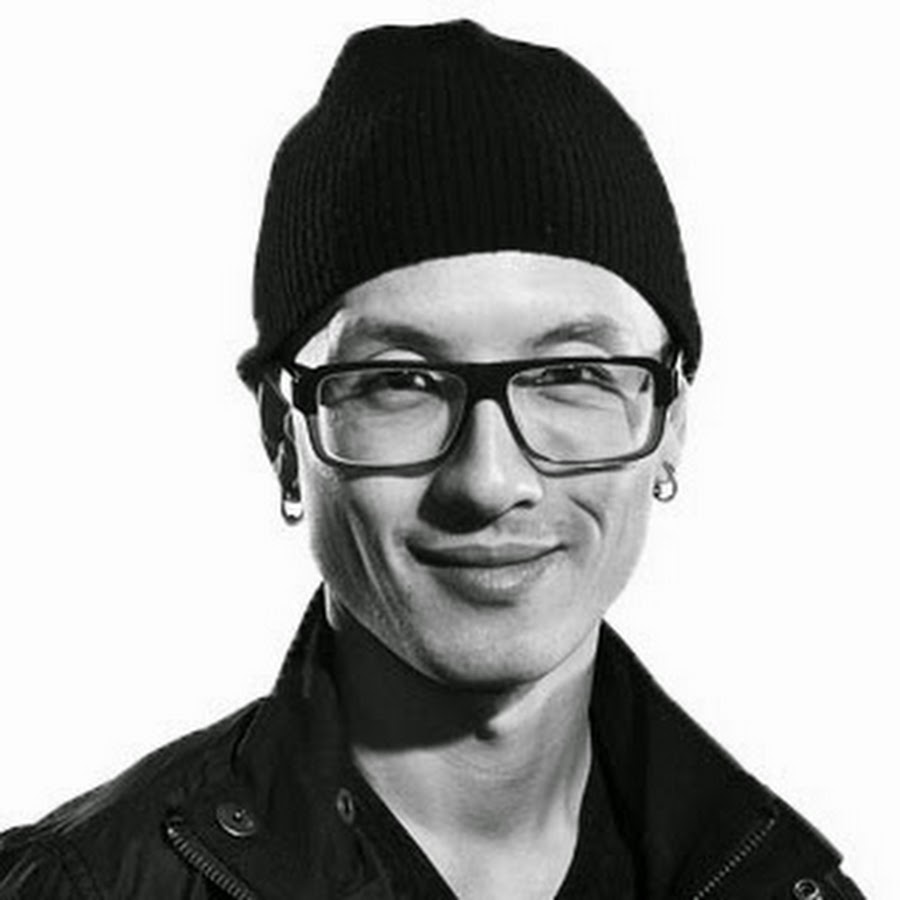
Hand-picked Influence Flows other Design creators are using.
Targets learning and development professionals, instructional designers, eLearning specialists and learning-technology leaders responsible for corporate trainin
Targets marketing and growth professionals responsible for paid acquisition, campaign measurement, and conversion optimization. Engaging this group increases vi
Targets musicians, recording artists, label executives, songwriters, streaming-platform professionals, and music-video creators. Engaging this audience raises v
A LinkedIn Newsletter is a subscription-based series of articles published on LinkedIn; subscribers receive notifications when new issues are published, creating a recurring, opt-in touchpoint between
An individual's public professional identity and reputation as conveyed through their LinkedIn profile, posts, visuals, and interactions.
The short line under a LinkedIn user's name that summarizes their role, expertise, or value proposition; it appears on profiles, in search results, and next to posts.
The LinkedIn Algorithm is the set of automated rules and machine learning models LinkedIn uses to decide which posts to show to which members and in what order, based on signals like relevance, engage
Chris Do writes like a design professor who learned stand-up comedy: short, declarative openings, one-sentence punches, then a tight explanatory paragraph. Sentences range from two-word commands to 20–25 word sentences that unpack a framework; paragraphs are rarely longer than three sentences. He layers visible scaffolding: headline-style lines ("Rule No.", "How to create a Power Intro"), then a compact numbered or bulleted list, then a final rhetorical nudge. He uses whitespace and deliberate line breaks to make each micro-idea scan easily on LinkedIn. Chris also drops brand-stamped phrases as anchors — for example, "Success requires all of you." and "Unbland™ Yourself." — and repeats them as a hook or sign-off. Visually his posts look like lesson slides: a bold lead, 2–5 crisp takeaways, and a closing question or challenge. He prefers active verbs and concrete labels ("Power Intro", "personal branding", "content without conversions"). When he quotes others or replies, he keeps the quote short and uses it to pivot to his framework rather than as filler.
Chris Do is talking to creative-practice builders: freelance and in-house graphic and brand designers, creative directors, agency principals, and founders of small creative businesses who must sell work, not just make it. The snippets reference "personalbranding", "brandidentity", and practical topics like "How I built my social media following on IG," which signal readers who are trying to move from portfolio to revenue. He also speaks to mid-career practitioners transitioning to owner/operator roles — people responsible for proposals, pricing, positioning and teams — as evidenced by posts on "content without conversions" and "stand out with personal branding." The conversational replies in the feed ("What's your take on this?", commenters discussing formulas and referrals) show he expects an audience that will test templates, compare notes on sales funnels, and apply checklists to client work or their own business development.
Chris repeats three opening-move patterns. First: the contrarian imperative. He begins with a short counterintuitive command or prohibition, e.g., "Stop calling it 'content creation.'" followed by a quick reframe. Second: the how-to headline that promises an immediately usable structure, e.g., "How to create a Power Intro for your content" and then a 3–4 step template. Third: the branded manifesto/identity line that merges personal confession with prescription, e.g., "Success requires all of you. I'll make the introductions. Unbland™ Yourself." He also often follows these with a direct question or prompt to the community: "What's your take on this?" That question functions as both an engagement hook and a way to source social proof in the comments.
Chris posts multiple, bite-sized lessons and serial frameworks rather than long, infrequent essays. The visible engagement counts (hundreds of comments on several posts) and repeated series titles ("Rule No.", "How to…") suggest he publishes several times per week, often as standalone text posts with embedded headers and short lists. He favors single-post lessons and short how-to threads over long research pieces, and uses the comment thread as an extension of the lesson — answering questions, clarifying templates, and letting the community iterate publicly. On platform mix, the snippets show cross-posting between LinkedIn and Instagram conversations, so expect similar short-form video or carousel versions elsewhere, but on LinkedIn his output skews toward plain-text posts with strong line breaks and occasional branded phrases. He does more step-by-step templates and fewer abstract inspirational images or detached case studies.
Open with a one-line contrarian command: e.g., "Stop calling it 'content creation.'" then follow immediately with a two-sentence reframe that defines what you want them to call it instead. Use a 3-part "Power Intro" template in every profile post: "I help [who] do [what] so they can [measurable outcome]." Then show one concrete example in parentheses. Start a short series titled "Rule No. X:" write the rule as a single sentence, then give three numbered micro-actions (one sentence each). Close posts with a direct community prompt: "What's your take on this?" or "Tell me how you'd change step 2." Brand a short signature phrase (two words and a trademark-style mark) and drop it as a one-line sign-off to make posts repeatable and recognizable.
Top Voice's AI personas analyze creators like Chris Do and turn their style into a repeatable workflow for you: signal-based reactions on relevant posts, AI-drafted content humanized in your voice, and per-campaign analytics that show what's actually working. Start free →